

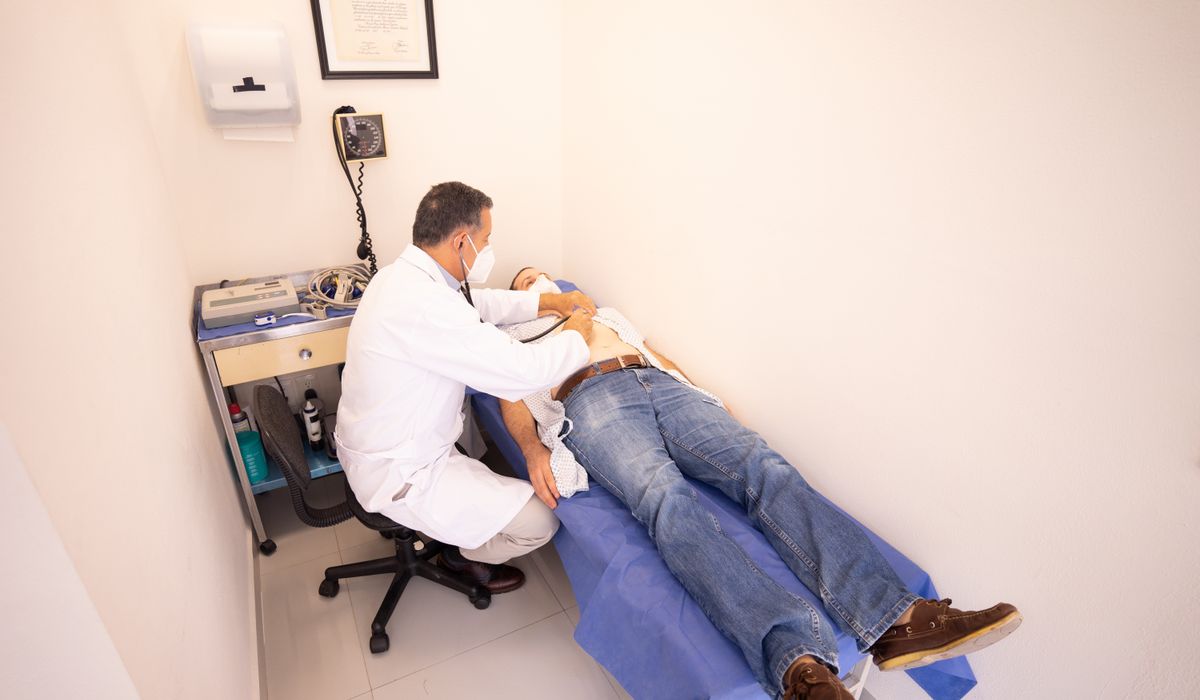
Managing Menopause Symptoms with Your GP
Why Menopause Symptoms Deserve a Proper Conversation
Menopause is a natural stage of life, but "natural" does not mean you have to simply put up with it. Around eight in ten women experience symptoms, and for many they last for several years. The average age of the menopause in the UK is 51, yet symptoms often begin in the early to mid-forties during the perimenopause, when hormone levels start to fluctuate rather than fall steadily.
Because those fluctuations are unpredictable, the perimenopause can be the most disruptive phase of all. A private GP appointment gives you time to describe what is happening, rule out other causes, and put together a plan that fits your life rather than a ten-minute slot.
Symptoms That Are More Than Hot Flushes
Hot flushes and night sweats are the best-known symptoms, but the menopause affects far more than temperature control. Many people arrive at their GP appointment surprised to learn that their symptoms are linked to changing hormone levels.
- Sleep problems — waking at 3am, difficulty falling asleep, or sleep that never feels restorative
- Mood changes — irritability, low mood, anxiety, or a sense of feeling not quite yourself
- Brain fog — losing words, struggling to concentrate, forgetting appointments
- Joint aches and muscle stiffness, often worst in the morning
- Vaginal dryness, discomfort during sex, and recurrent urinary infections
- Palpitations, headaches, and changing periods — heavier, lighter, closer together or further apart
Keeping a simple symptom diary for two or three weeks before your appointment is genuinely useful. It helps your GP see patterns, and it gives you a record to compare against once treatment begins.
What Happens at a Private GP Appointment in Westminster
A private GP consultation typically allows 20 to 30 minutes, which makes a real difference when you have several symptoms to unpack. Your doctor will usually take a full history, including your periods, family history of breast cancer or blood clots, blood pressure, and any medication you take.
Blood tests are not always needed. In women over 45 with typical symptoms, a diagnosis can often be made from your history alone. If you are younger, or your symptoms are unusual, your GP may arrange tests such as follicle-stimulating hormone (FSH), thyroid function, or a full blood count to exclude other conditions.
Appointments can usually be arranged around a working day, which suits many patients who find it difficult to take time off. If you need ongoing support, follow-up reviews can be booked directly with the same clinician, so you are not starting again each time.
Lifestyle Changes That Can Take the Edge Off
Lifestyle measures rarely remove symptoms entirely, but they can reduce their intensity and help you feel more in control.
- Dress in layers and keep a fan on your desk or bedside table
- Cut back on caffeine, alcohol, and spicy food, which are common flush triggers
- Keep your bedroom cool — around 16 to 18°C — and use light bedding
- Exercise regularly, including weight-bearing activity such as walking, which also protects bone density
- Try cognitive behavioural therapy (CBT), which has good evidence for helping with hot flushes and sleep
- Protect your sleep with a consistent bedtime and no screens for an hour beforehand
Hormone Replacement Therapy Explained
Hormone replacement therapy (HRT) replaces the oestrogen your body is no longer producing. It is the most effective treatment for hot flushes, night sweats, and vaginal symptoms, and it also helps protect against osteoporosis.
Modern HRT is available in several forms. Oestrogen comes as patches, gel, or spray, which are often preferred because they carry a lower clot risk than tablets. If you still have a uterus, you will also need a progestogen to protect the womb lining — micronised progesterone is a popular body-identical option. Vaginal oestrogen in the form of pessaries or cream is a low-dose, local treatment for dryness and urinary symptoms, and it can be used alongside or instead of systemic HRT.
Your GP will discuss the benefits and risks in the context of your own health, including your age, blood pressure, smoking status, and family history. Most women can take HRT safely, and the risks are generally small for those under 60. Many notice improvement within three months, though the dose may need adjusting first.
Making the Most of Your Follow-Up
Bring a list of your symptoms, your medication, and any questions you want answered. Ask about non-hormonal options too, such as certain antidepressants or gabapentin, which can help if HRT is not suitable for you.
A review at three months is standard, with annual checks thereafter. If something is not working, say so — there is rarely only one option. With the right support, the menopause is a phase you can move through comfortably, not simply endure.


GP Services
-
From pills and patches to coils and implants, a GP can explain benefits, risks, and how each method fits your health needs.


Women's Health




-

Long established fact that a reader will be distracted
-

Long established fact that a reader will be distracted
-

Long established fact that a reader will be distracted




Health Checks
Karla Gleichauf
12 May 2017 at 05:28 pm
On the other hand, we denounce with righteous indignation and dislike men who are so beguiled and demoralized by the charms of pleasure of the moment
M Shyamalan
12 May 2017 at 05:28 pm
On the other hand, we denounce with righteous indignation and dislike men who are so beguiled and demoralized by the charms of pleasure of the moment
Liz Montano
12 May 2017 at 05:28 pm
On the other hand, we denounce with righteous indignation and dislike men who are so beguiled and demoralized by the charms of pleasure of the moment