

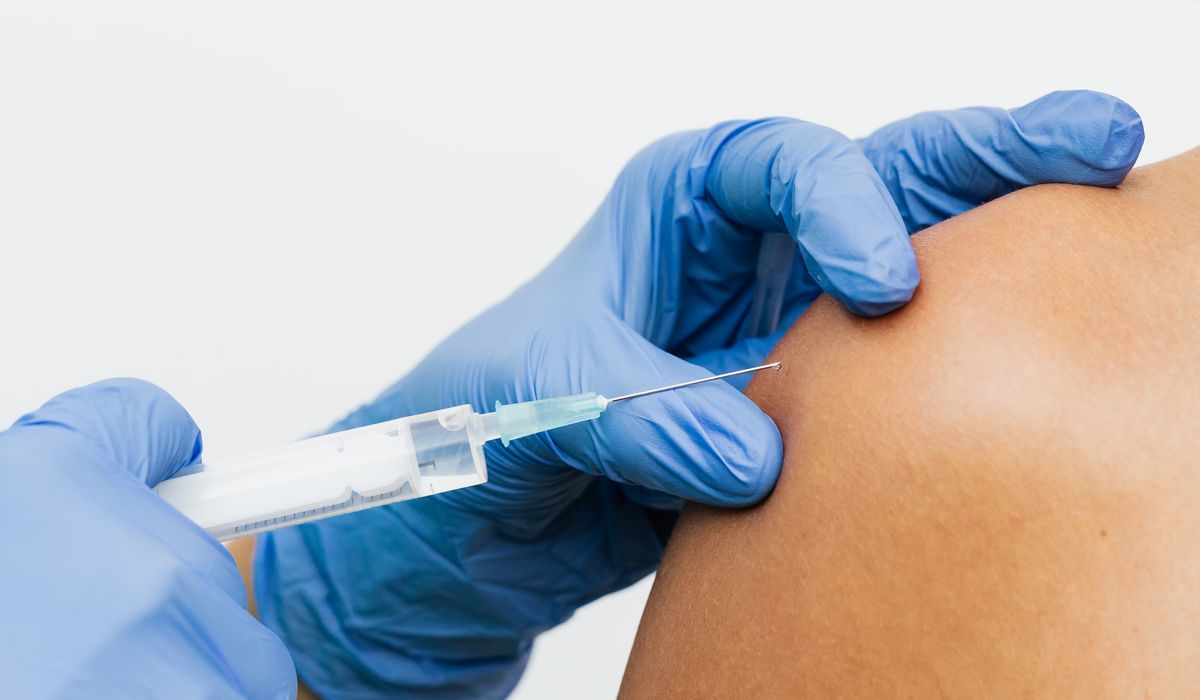
Travel Vaccinations: Planning Ahead for Safe Journeys
Why Travel Vaccinations Need Forward Planning
If you are counting down the days until a flight from Heathrow, a train to Europe, or a long-awaited family holiday, it is easy to leave health preparations until the last minute. Unfortunately, travel vaccinations do not work that way. Most vaccines take between ten days and three weeks to prompt a full immune response, and some require a course of two or three doses spaced weeks apart. That means the best time to think about jabs is six to eight weeks before you go — and for certain destinations, even earlier.
At a private GP practice in Westminster, we see plenty of travellers who booked their appointment a fortnight before departure and assumed everything could be sorted in one visit. Sometimes it can, but often we need to prioritise the most important vaccines and accept that others may not have time to take effect. Planning ahead removes that stress entirely and gives your body the best chance to build proper protection.
Which Vaccines Might You Need?
The vaccines recommended for your trip depend on where you are going, how long you are staying, what you will be doing, and your own medical history. As a rough guide:
- Routine UK vaccines — check that your measles, mumps and rubella (MMR) and tetanus, diphtheria and polio boosters are up to date. Outbreaks of measles continue to occur in parts of Europe and beyond.
- Hepatitis A — recommended for most destinations outside Western Europe, North America and Australasia, particularly where food and water hygiene may vary.
- Typhoid — often advised for travel to South Asia, parts of Africa and some areas of South America.
- Hepatitis B — worth considering for longer stays, medical or volunteer work, or activities that could involve contact with blood.
- Rabies — relevant for rural travel, cycling tours, or work with animals in affected countries. It is a course of three doses, so it needs real lead time.
- Japanese encephalitis — for certain rural regions of Asia, especially during transmission season.
- Yellow fever — required for entry to some countries in Africa and South America, and some travellers need a certificate as proof.
- Meningococcal ACWY — mandatory for pilgrims travelling to Saudi Arabia for Hajj or Umrah.
A travel health consultation is not simply a checklist. Your GP will match your itinerary, season of travel, accommodation style and any pre-existing conditions to the most sensible recommendations.
Booking Your Travel Health Appointment
In a central London practice, appointments can fill quickly in the run-up to school holidays and half-term breaks. Aim to book your travel consultation at least six to eight weeks before departure. Bring with you:
- Your full itinerary, including stopovers and any internal flights or overland travel
- Dates of previous travel vaccinations, if you have a record
- A list of any medicines you take and any allergies
- Your children's immunisation history, since paediatric doses and timings can differ
If you are travelling sooner than the ideal window, do not assume it is too late. Even a shortened schedule, or a single dose where a course was planned, can offer meaningful protection. Come in anyway and we will work with the time you have.
Children, Pregnancy and Long-Term Conditions
Families in Westminster often travel together, and children's vaccination needs deserve particular attention. Some vaccines are not licensed for babies under a certain age, and others are given on a different schedule. If you are travelling with an infant, plan the appointment around their routine immunisation dates so nothing is missed.
Pregnancy adds another layer of consideration. Live vaccines such as MMR, varicella and yellow fever are generally avoided during pregnancy, so the emphasis shifts towards prevention — insect repellent, food and water precautions, and careful destination choice. If you are pregnant or breastfeeding, tell your GP at the start of the appointment so the advice can be tailored properly.
For those with long-term conditions — diabetes, asthma, immune suppression, heart disease — travel planning should include a review of your regular medicines, a letter listing your prescriptions if you are flying, and adequate supplies for the whole trip. Some destinations also carry higher risks that are worth discussing in advance.
Beyond Vaccines: A Complete Pre-Travel Check
Vaccinations are only part of the picture. A well-prepared traveller also thinks about:
- Malaria prevention — tablets need to be started before you arrive and continued after you leave, and the right choice depends on your destination and medical history.
- Food and water safety — simple habits such as avoiding ice in drinks and peeling your own fruit go a long way.
- Insect bite avoidance — repellent containing DEET or picaridin, plus long sleeves at dusk, reduces the risk of dengue, chikungunya and other mosquito-borne illnesses for which no vaccine exists.
- A basic medical kit — rehydration sachets, antiseptic, plasters, pain relief and any personal medication in your hand luggage.
- Travel insurance — confirm it covers any activities you plan and any pre-existing conditions.
Last-Minute Travel and Repeat Trips
Life does not always run to schedule. If you find yourself with only two or three weeks before you fly, contact a private GP as soon as possible. We can often administer the most time-critical vaccines, advise on what can be safely deferred, and provide a written record of what you have had. For frequent travellers — those visiting family overseas, or working across regions — keep a personal vaccination record and review it annually. Immunity from some vaccines fades over time, and boosters are sometimes needed sooner than people expect.
Westminster sits at the heart of a city that never stops moving, and our patients travel constantly for work, family and pleasure. A little forethought, a well-timed appointment and honest advice about your own health will help ensure that the only thing you bring home is a suitcase full of memories.


GP Services
-
Tablets, insect repellent, and protective clothing can reduce risk, but the right choice depends on your destination and medical history.


Women's Health



-

Long established fact that a reader will be distracted
-

Long established fact that a reader will be distracted
-

Long established fact that a reader will be distracted




Health Checks
Karla Gleichauf
12 May 2017 at 05:28 pm
On the other hand, we denounce with righteous indignation and dislike men who are so beguiled and demoralized by the charms of pleasure of the moment
M Shyamalan
12 May 2017 at 05:28 pm
On the other hand, we denounce with righteous indignation and dislike men who are so beguiled and demoralized by the charms of pleasure of the moment
Liz Montano
12 May 2017 at 05:28 pm
On the other hand, we denounce with righteous indignation and dislike men who are so beguiled and demoralized by the charms of pleasure of the moment